Porzellanmanufaktur
We can't find the internet
Attempting to reconnect
Something went wrong!
Hang in there while we get back on track
»
«
DAISY - The Return of a Legend

/files/000/042/979/logo_free/84bf67fde0f5b0ef5bd7abd69eaa62b625891935)
When we embarked on the “Resurrection of DAISY” project, many people asked us if we were out of our minds. But the idea was too good and our passion too great for us not to give it a try. And now? The experiment has succeeded, and an idea is becoming reality. A company that is literally passionate about the past, the present, and the future.
And yes, we’ve (once again) got all our marbles!
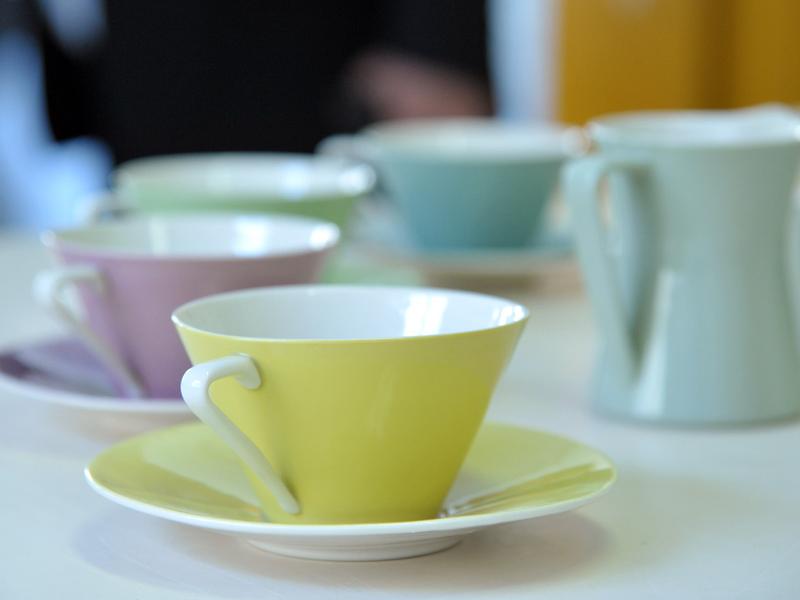
Daisy, Just Like Back Then
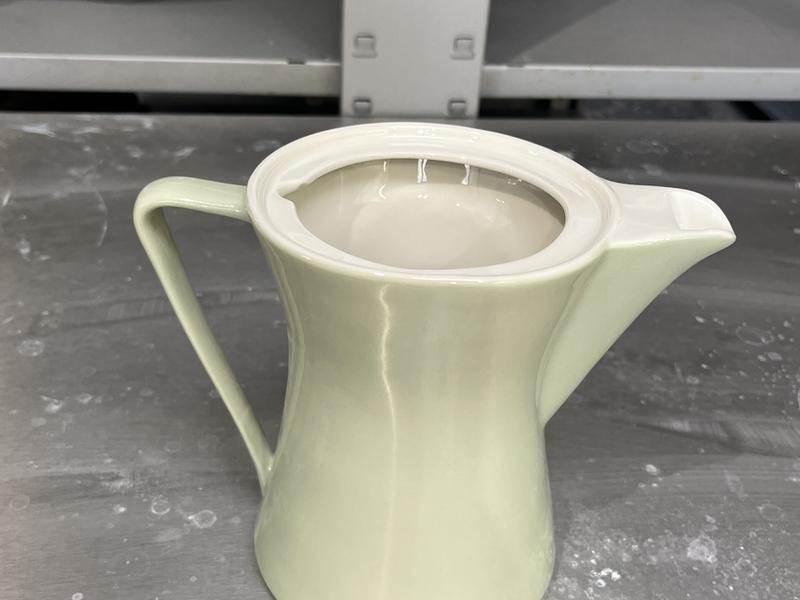
The return of DAISY marks the return of a legend. A style icon that has achieved cult status throughout Austria and beyond, reaching far beyond collector circles and antique shops. Now it’s back—under its old name, in its old form, in its legendary colors, and in the spirit of an era. And what used to be the “Gschirrbude” is now the “Porzellanwerk.”
The Firing
For a long time, we have nurtured and kept the story alive. Throughout all this time, however, the fire that gave rise to it all and continued to burn within us never went out. The fire from which something new and old at the same time is now emerging. A place that brings its long history back to life. That develops it further and actively shapes it.
The Right Mix
The path of our company and the “Geschirrbude” has often been rocky. And for a small manufacturing business to start up in such economically challenging times requires courage, trust, strategy, and certainly a touch of madness. But all of this together ultimately creates the mix needed for success. Just like the mix that defines the quality of the products themselves.
1300 to 1500
The shards from the old “Winckhlmühle” bear witness to the first earthenware factory in the late Middle Ages.
During the renovation of the old mill, the oldest part of the earthenware factory, shards from the late Middle Ages were discovered. These artifacts attest to the long tradition of ceramic production in Wilhelmsburg.
1883 to 1945
The Lichtenstern family’s takeover of the earthenware factory marks the beginning of a success story.
The Lichtenstern merchant family turned the stoneware factory into the largest in the monarchy. The “Art Deco” series became a huge success in the 1930s. Kurt Heinrich Lichtenstern fled from the Nazis in 1938, changed his name to Conrad Henry Lester in the U.S., and returned after the war as head of ÖSPAG.
1959 to 1997
With the DAISY series, ÖSPAG began a global success story in 1959.
Manufactured by and in the “Gschirrbude” (as it was popularly known) in Wilhelmsburg and under the brand name “Lilien Porzellan,” DAISY MELANGE captured the hearts of the post-war generation. It was produced continuously and successfully for nearly 40 years and symbolized a time of economic recovery. In 1997, the factory closed, but the series subsequently evolved into an absolute and highly coveted cult object.
2007 to today and tomorrow
From the vision to the restart of production at the “Porzellanwerk Wilhelmsburg.”
In 2007, the “Tableware Museum” opened in “Daisy-World” as the first milestone in commemorating an important chapter of industrial history. Its founder and visionary, Manfred Schönleitner, has now achieved his first “masterpiece” with the resumption of production. And DAISY is set to be just the first chapter in a new success story.